


 Amanda Pell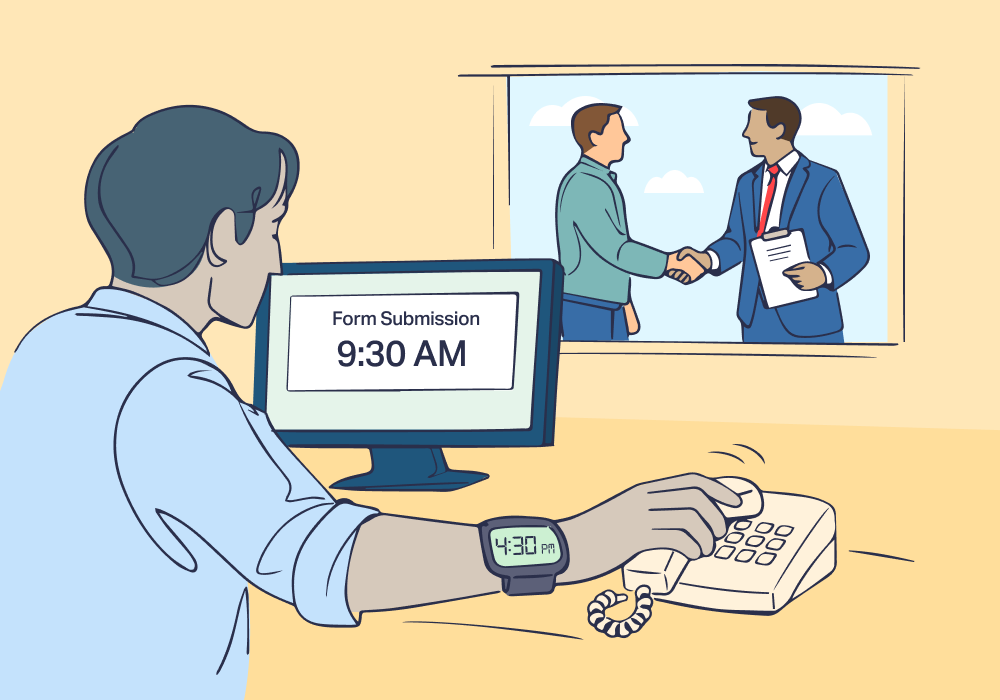
You launch a Google Ads campaign for a client. Leads start coming in, and everything looks good.
Then sales starts flagging “bad leads” from your campaigns.
Some never answered the follow-up call. Others sounded hesitant or uninterested. Many were marked unqualified.
What their feedback doesn’t show is when those leads were contacted.
Some waited hours. Some until the next day. By then, intent had cooled, making real demand look like bad traffic.
This article explains how slow speed-to-contact quietly corrupts performance data and leads agencies to cut budget on channels that were actually working.
Note: Not a WhatConverts user yet? Start your free 14-day trial of WhatConverts today or book a demo with a product expert to see how we help prove and grow your ROI.
Why “Bad” Leads Often Start as Good Ones
Most conversations about lead quality assume intent is fixed. Either someone is a good lead or they’re not. Either they’re serious or they’re wasting time.
In reality, intent is fragile.
When a real lead reaches out, they’re signaling a moment of urgency. They have a question, a problem, or a decision they’re actively trying to make. That moment doesn’t last long.
When no one responds:
- The lead keeps searching
- They contact competitors
- They submit multiple forms
- They shift from “ready to talk” to “just comparing options”
By the time your client follows up, the behavior looks different. The tone has changed. The urgency is gone.
What looks like spam is often just what interest looks like after a period of silence.
Read More: The Sales Accountability Problem: Why Marketers Get Blamed (and How to Fix It)
Where This Gets Misdiagnosed
Here’s where the real problem starts.
That late-contact lead goes into your reports as unqualified, not converted, or low value. And when you zoom out and look at channel performance, you draw the wrong conclusion: “Google Ads is bringing us expensive, low-quality leads.”
That conclusion feels reasonable. It matches what sales experienced, after all: the leads didn’t convert.
So you do what any marketer would do:
- You lower bids
- You tighten targeting
- You cut spend
But what you’re reacting to isn’t lead quality. You’re reacting to what leads look like after a slow follow-up.
How Speed-to-Contact Ends Up Costing You Budget
This is the real cost of slow response: you end up cutting spend on campaigns that did their job.
The ad worked; the keyword was successful; the buyer intent was real.
But because the lead wasn’t contacted quickly, the sales outcome made the channel look worse than it actually was. And that’s the version of reality that gets used for optimization.
So money moves away from the very campaigns that were generating real demand.
The Attribution Nightmare
Here's what happens when slow follow-up masquerades as lead quality:
A pest control company spends $12,000 on Google Ads and generates 150 form submissions. Their team calls leads back the same day—usually within 4-6 hours of submission.
Response rate: 62 people answer. 88 never pick up.
The 88 get flagged as "spam" or "unqualified." Cost per qualified lead: $194.
But the timestamps tell a different story:
- Leads submitted 9 AM - 12 PM: 70% answer rate when called within 1 hour, 22% answer rate when called after 4 hours
- Leads submitted 12 PM - 5 PM: 65% answer rate within 1 hour, 18% answer rate after 4 hours
- Leads submitted after 5 PM: 45% answer rate next morning, 8% answer rate if called after noon the following day
Those "spam" leads weren't junk. They were just faster than the client's sales reps.
Now your attribution shows Google Ads generating expensive, low-quality leads. So you cut budget on a channel that was actually working—while competitors who respond faster scale up.
The Band-Aid “Fix”: Just Go Faster
When lead follow-up becomes a problem, the advice is always the same: respond faster.
And yes, speed matters. But most teams aren’t slow because they’re lazy or disorganized—they’re slow because they’re overloaded.
Sales reps don’t get a neat queue of “real opportunities.” They get everything:
- Real buyers
- Price shoppers
- Wrong-service inquiries
- Support questions
- Competitors
- Actual junk
All of it hits at once. And without a way to quickly separate good leads from bad ones, everything takes time.
That’s when response times start to stretch, not because people don’t want to move fast, but because there’s too much to do and no way to prioritize.
This is why “just go faster” never sticks. Speed breaks down when teams are forced to treat every lead the same.
The Solution: Fast Qualification (So Fast Follow-Up Is Actually Possible)
WhatConverts fixes this by making qualification fast at the moment the lead comes in, not hours (or days) later.
Instead of getting “a form submission” or “a chat lead” with no context, your team gets a complete lead record they can act on immediately—including what the person said, what they’re asking for, and where they came from.
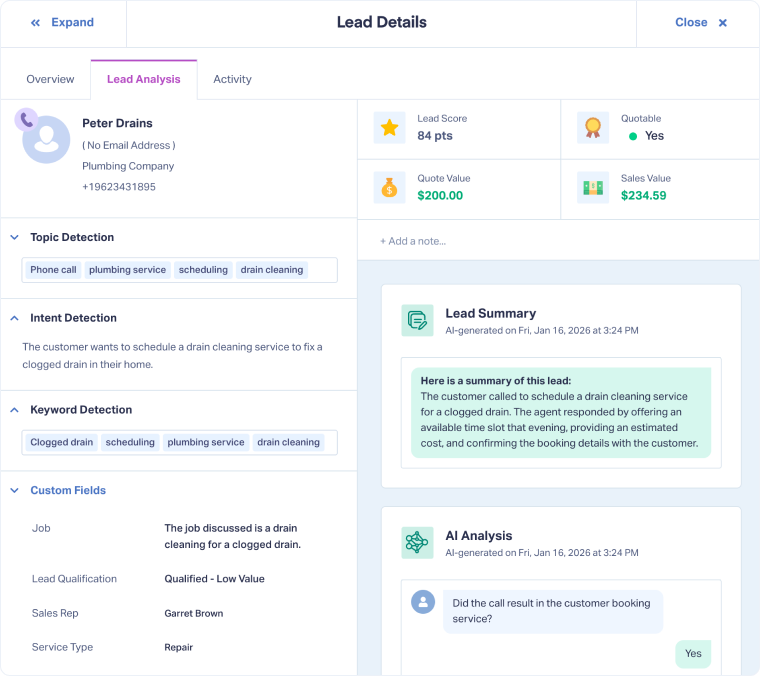
And once qualification is fast, speed-to-contact becomes realistic:
- Real leads get prioritized and contacted quickly
- Junk gets filtered out before it wastes anyone’s time
- Marketing stops getting blamed for “bad leads” that were really “late follow-up”
That’s how you protect both your client's revenue and your Google Ads budget decisions—because you’re no longer judging channel quality based on leads that were never handled in time.
The Real Cost of Waiting
When leads sit untouched, they don’t just go cold—they get misread. Real prospects start to look low quality, and marketing data starts telling the wrong story: that your ads are expensive and your best channels aren’t working.
Telling clients their sales team needs to “move faster” doesn’t fix that. When reps are buried under unfiltered leads, fast response isn’t realistic.
Fast qualification is what makes speed possible. It lets teams focus immediately on real opportunities, respond while intent is high, and stop wasting time on junk that was never going to convert.
If you want to protect your conversion rates and your Google Ads budget, start by fixing lead qualification.
See how WhatConverts makes fast response possible.
Start your free 14-day trial of WhatConverts today or book a demo with a product expert to see how we help prove and grow your ROI.
Get a FREE presentation of WhatConverts
One of our marketing experts will give you a full presentation of how WhatConverts can help you grow your business.
Schedule a DemoGrow your business with WhatConverts