



































 Amanda Pell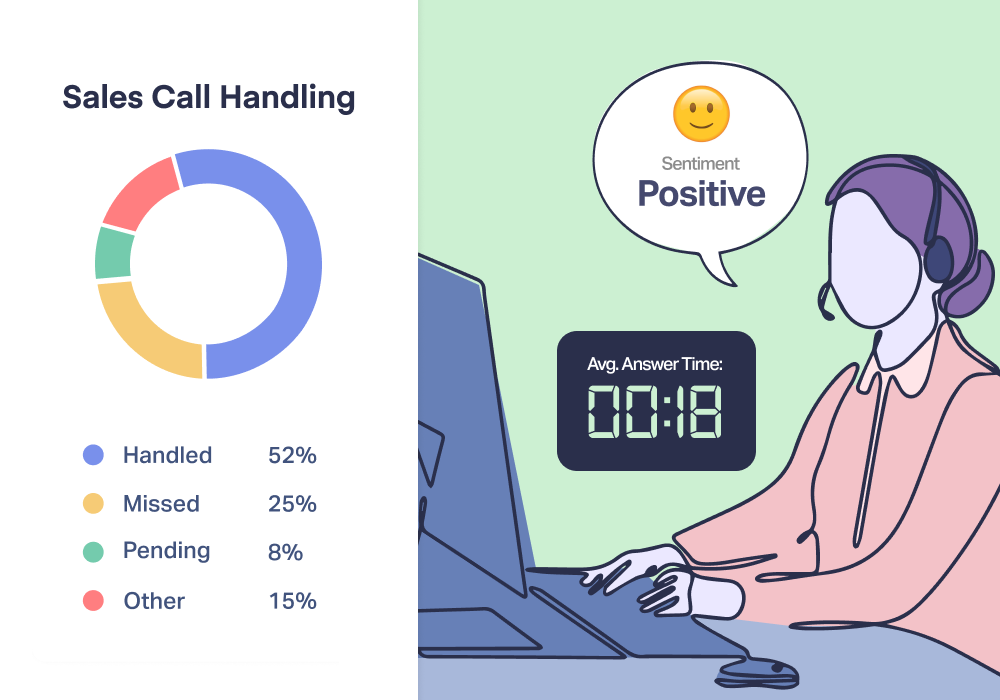
Fast responses don't always win. Smart responses do.
Every agency knows speed matters—Harvard Business Review found leads contacted within 5 minutes are 21x more likely to convert than those contacted after 30 minutes. But racing to respond without context creates a different problem: fast, generic outreach that prospects ignore.
The real edge isn't speed alone. It's speed plus intelligence—knowing who the lead is, what they want, and which response actually moves them forward.
This post will show you how to create a repeatable response framework that balances rapid timing with targeted quality, so more of those hard-won first contacts turn into paying clients.
Note: Not a WhatConverts user yet? Start your free 14-day trial today or book a demo with a product expert to see how we help prove and grow your ROI.
When Speed Backfires
Instant responses feel like progress…until you see how those responses actually play out.
A home services agency implements 2-minute responses across all leads. Hit rates go up. Conversion stays flat.
Why? Sales reps’ responses were fast but generic:
"Hi, this is Mike returning your inquiry. How can I help?"
Meanwhile, the lead had filled out a form specifically asking about water heater installation, mentioned a budget, and indicated they needed service within 48 hours. The rep had none of that context—just a phone number and a timestamp.
Speed got them on the phone; lack of context lost the job.
Read More: How to Give Reps Instant Context on Every Caller's Journey
What Makes a “Quality” Response
It takes more than fast pickup times to convert first contacts. You need to know:
- Who they are. Name, location, company—enough to personalize the conversation and avoid asking questions they already answered.
- What they need. Specific service, product interest, or problem they described. This tells you how to frame your solution.
- Where they came from. Which campaign, keyword, or channel drove them in. Source context reveals intent and helps you speak their language.
- Why they're qualified. Lead score, estimated value, buying timeline. This determines response urgency and resource allocation.
When sales has this intelligence before the first contact, responses become targeted instead of generic.
Building a Response Quality Framework
The most effective agencies don't optimize for speed alone. They optimize for informed speed.
Step 1: Capture context automatically.
Every lead arrives with a story—what they searched, which ad they clicked, what form fields they filled out, what they said on a call. WhatConverts captures this automatically and makes it instantly accessible to whoever responds.
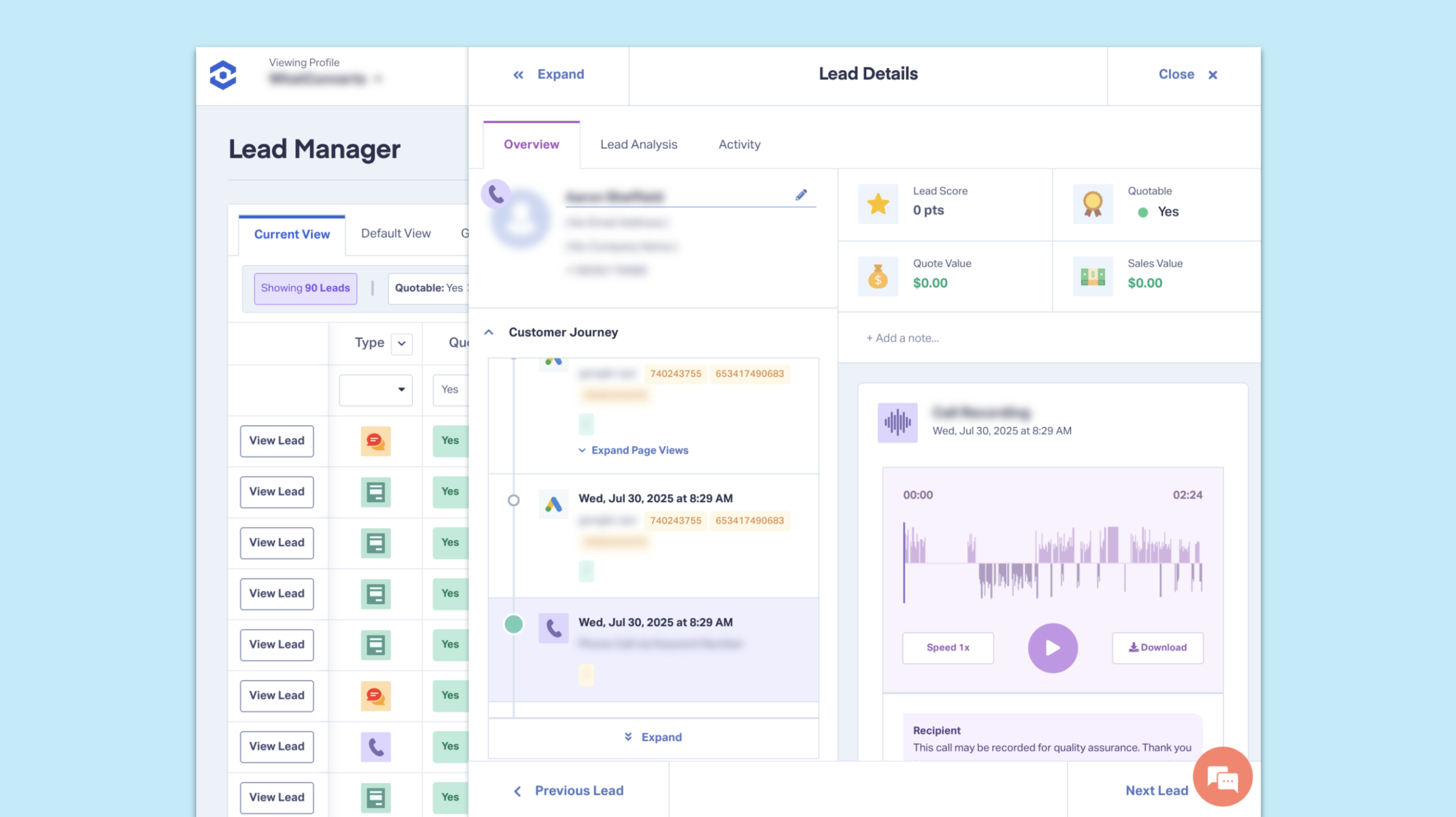
Example: A plumbing lead calls in at 2pm asking about water heater installation. With full call recording and transcription, the callback rep knows the customer mentioned their unit is 12 years old, they heard a banging noise, and they need service this week. That context turns a generic "returning your call" into a targeted response about emergency replacement services.
Step 2: Score and prioritize in real time.
Not every lead deserves the same urgency. A $15,000 commercial project gets faster response than a $200 service call—not because one customer matters less, but because ROI dictates resource allocation. Automated scoring ensures high-value leads get premium attention.
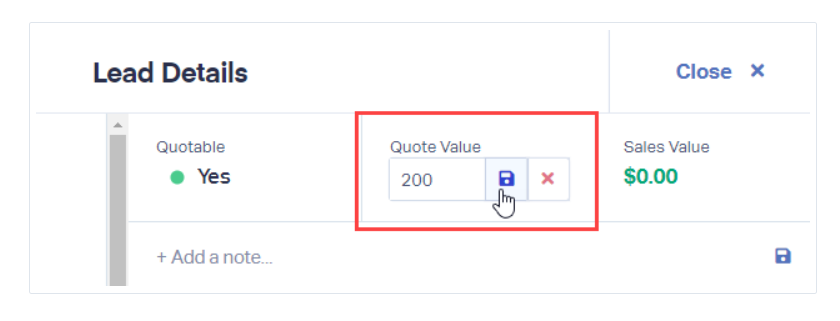
Example: You score leads based on service type, estimated value, form completeness, or call duration. A lead tagged "commercial HVAC install" with a $10,000+ estimated value gets flagged for immediate response. A residential maintenance inquiry goes into the standard queue. High-value leads don't slip through because someone didn't realize what they were worth.
Step 3: Route with full intelligence.
When a lead hits the queue, the responder should see everything: customer journey, service interest, qualification score, and suggested talking points. Context enables personalization at speed.
Example: Sales opens a lead and sees the complete profile—"Jennifer from Denver called about bathroom remodel after clicking your 'plumbing services' ad, mentioned a $5,000 budget, and asked about same-week availability." Instead of a simple phone number, they get a roadmap for the conversation.
Step 4: Arm responders with templates.
Pre-built message frameworks tailored to lead source, product interest, and buyer stage let teams respond fast without sacrificing relevance. "I see you requested a quote for water heater installation after searching 'emergency water heater repair'—I can have a tech there this afternoon" beats "How can I help?" every time.
Example: You build response templates for each service type and lead source. Emergency repair leads get same-day availability messaging. Installation leads get financing options and scheduling. Maintenance leads get service package details. Match the template to the need, and responses stay fast without becoming generic.
Step 5: Measure what matters.
Track response time, yes—but also track response quality. Are leads being contacted with the right context? Are follow-ups personalized? Are high-value leads getting premium treatment? If you only measure speed, you'll optimize for the wrong thing.
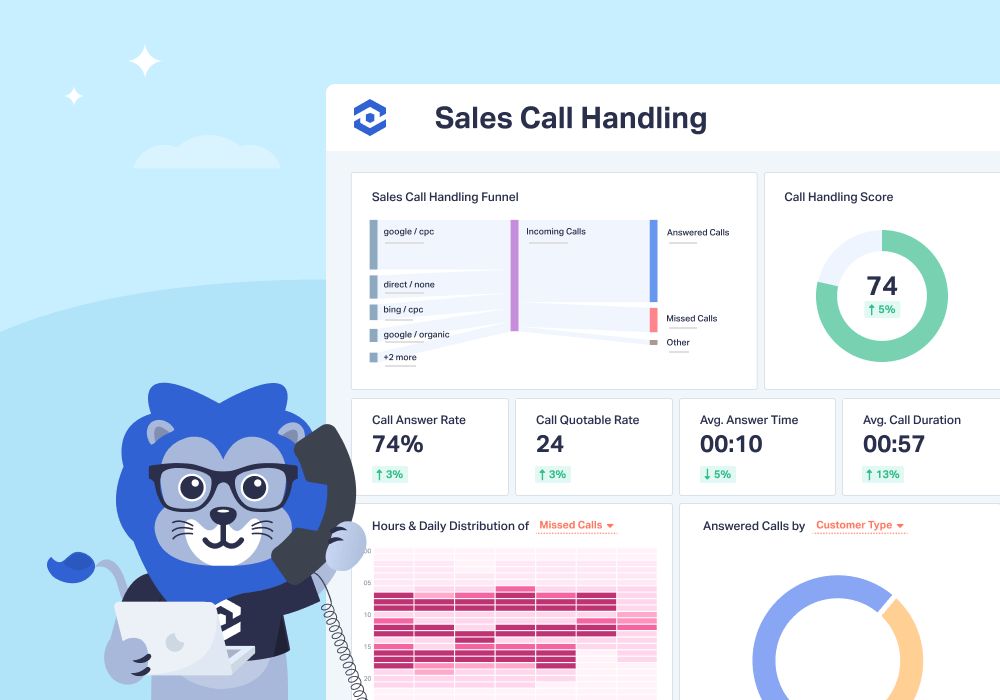
Example: Report on which lead sources get the fastest responses, which services have the best contact rates, and where high-value leads are falling through. If Google Ads leads get 5-minute responses while organic leads wait 2 hours, you've found a process gap. If emergency service leads aren't getting same-day callbacks, you're leaving revenue on the table.
Read More: Introducing the Sales Call Handling Report: See Where Great Leads Are Won—or Lost
How WhatConverts Makes This Standard
Quality response frameworks used to require custom integrations and manual processes. WhatConverts makes it automatic.
Every call, form, and chat is captured with complete attribution—source, campaign, keyword, and full conversation context. Lead scoring happens instantly based on your criteria. And all that intelligence syncs to your CRM so responders have everything they need before the first contact.
The result? Sales teams that respond fast and smart—turning more first contacts into closed clients because they're armed with the context that drives conversion.
Speed opens the door. Intelligence closes the deal.
Ready to transform first contact conversion rates with response quality that matches your speed?
Start your free 14-day trial of WhatConverts today or book a demo with a product expert to see how we help prove and grow your ROI.
Get a FREE presentation of WhatConverts
One of our marketing experts will give you a full presentation of how WhatConverts can help you grow your business.
Schedule a Demo
Grow your business with WhatConverts