












































 Amanda Pell
Agencies adopt new tools for good reasons: clearer reporting, better optimization, stronger results.
But clients don’t always see that value. They ask for spreadsheets instead of dashboards. They avoid logging into another platform. They question why a new tool is needed at all.
When that happens, the problem isn’t performance. It’s that the value of the tool isn’t obvious enough to justify the effort required to use it.
This article explores why buy-in breaks down—and how agencies fix it by tying tools to outcomes clients actually care about.
Note: Not a WhatConverts user yet? Start your free 14-day trial today or book a demo with a product expert to see how we help prove and grow your ROI.
Why Buy-In Breaks Down (Even When the Tool Works)
Buy-in breaks down at the handoff.
Inside the agency, the tool represents clarity: better reporting, cleaner decisions, stronger optimization. But once the client is asked to use it, the tool shows up as extra effort—another login, another system to learn, another step in an already busy week.
That disengagement creates a ripple effect:
- Incomplete data
- Weakened optimization signals
- Murky reporting
- More questions, fewer decisions
Over time, that breakdown affects results themselves. When clients can’t use the tools or don’t engage with the data, agencies lose the feedback they rely on to qualify leads, tune campaigns, and improve performance.
Buy-In Changes When the Tradeoff Makes Sense
Clients don’t resist tools because they dislike logins or dashboards. They resist them when the effort required to use a tool feels greater than the benefit they get back.
Another platform to check, another system to learn, another place to look for answers: that friction adds up.
But when a tool makes life easy enough to make the friction worthwhile, resistance disappears.
Clients will adopt a new system when it replaces:
- Back-and-forth emails about lead quality
- Reports that raise more questions than they answer
- Calls spent debating what’s working instead of deciding what to do next
In those cases, the tool stops feeling like extra work and becomes the easiest way to get answers.
That’s where buy-in actually comes from. When using the tool is simpler than working around it, adoption follows naturally.
What Effective Client Training Actually Looks Like
Once buy-in is framed as a tradeoff, the role of client training becomes much clearer.
Effective training isn’t about teaching clients how every feature works. It’s about helping them get to the point where using the tool saves them time, reduces uncertainty, or removes a recurring point of friction.
That means training needs to be:
- Lightweight
- Tied directly to outcomes
- Introduced in the context of real work
Anchor Training to Moments Clients Already Care About
Clients are most open to learning something new when it helps answer a question they already have.
That’s why training is most effective when it’s tied to moments like reviewing lead quality, discussing performance changes, and deciding whether to increase or pull back spend.
Instead of walking through a dashboard in isolation, agencies get better results by introducing tools while working through an actual issue.
Keep Training Focused on the Few Things That Matter
One of the fastest ways to lose buy-in is to overwhelm clients with detail.
Most clients don’t need to understand everything a tool can do. They only need to understand the parts that affect decisions they’re involved in.
That usually comes down to a small set of questions:
- Which leads were real opportunities?
- Which campaigns are driving those leads?
- What should we do next based on that information?
Training that answers those questions directly feels relevant. Training that wanders into edge cases or secondary features feels like work.
Agencies that keep training tight make adoption easier for everyone.
How Tools Like WhatConverts Reduce Friction Instead of Adding It
Tools only earn buy-in when they remove more friction than they introduce.
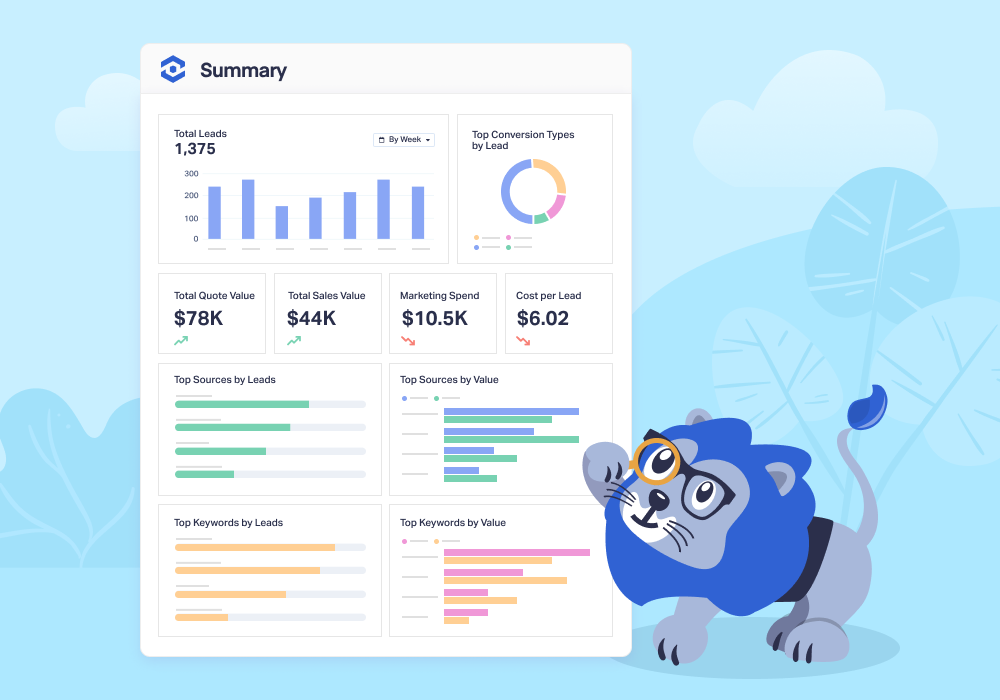
WhatConverts is designed to do that by replacing multiple points of confusion with a single source of clarity. Instead of relying on spreadsheets, ad platform reports, and scattered feedback, agencies and clients can see what happened to each lead in one place.
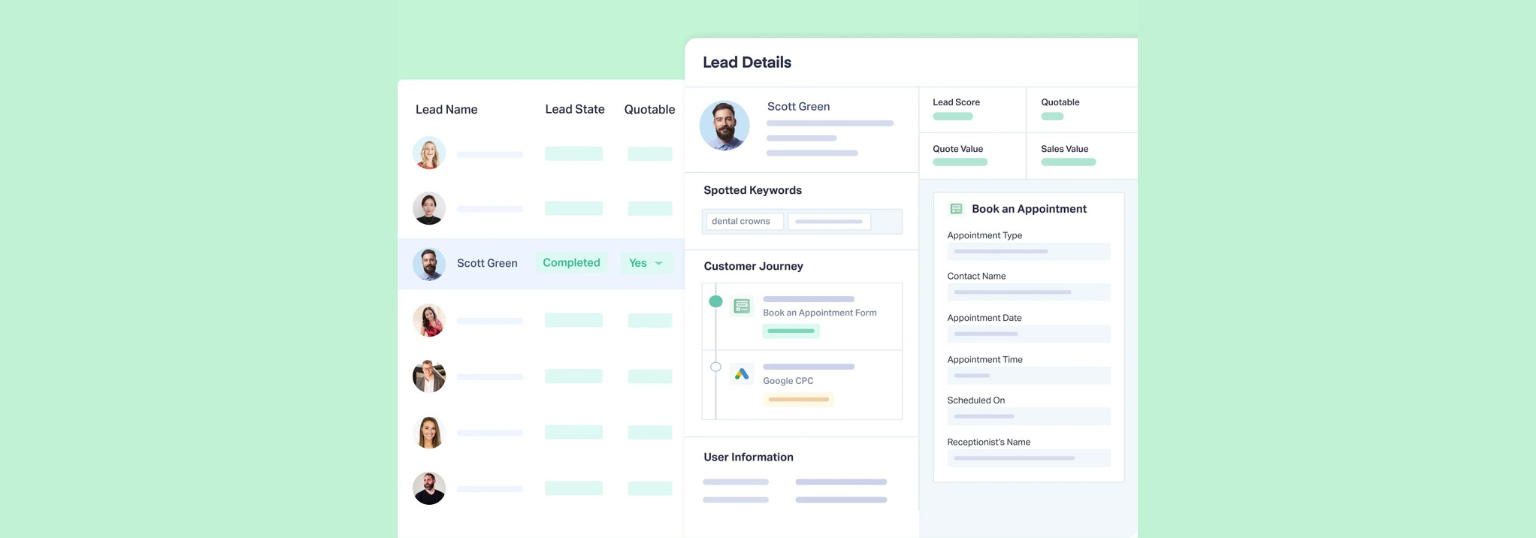
That changes the dynamic:
- Clients don’t have to guess which leads were valuable
- Agencies don’t have to chase feedback across emails or calls
- Reporting focuses on outcomes instead of explanations
The tool becomes useful because it simplifies work that already needs to be done.
When the Tool Makes Work Easier, Buy-In Follows
Client buy-in isn’t something agencies can talk clients into.
It’s something clients arrive at when a tool makes their role easier, not harder.
When a system helps clients:
- Answer questions faster
- Reduce back-and-forth
- Participate without extra effort
Adoption becomes the natural choice.
That’s why the most successful agency–client relationships aren’t built on extensive training programs. They’re built on tools that earn their place by making everyday work simpler and more effective.
Start your free 14-day trial of WhatConverts today or book a demo with a product expert to see how we help prove and grow your ROI.
Get a FREE presentation of WhatConverts
One of our marketing experts will give you a full presentation of how WhatConverts can help you grow your business.
Schedule a Demo
Grow your business with WhatConverts