










































 Amanda Pell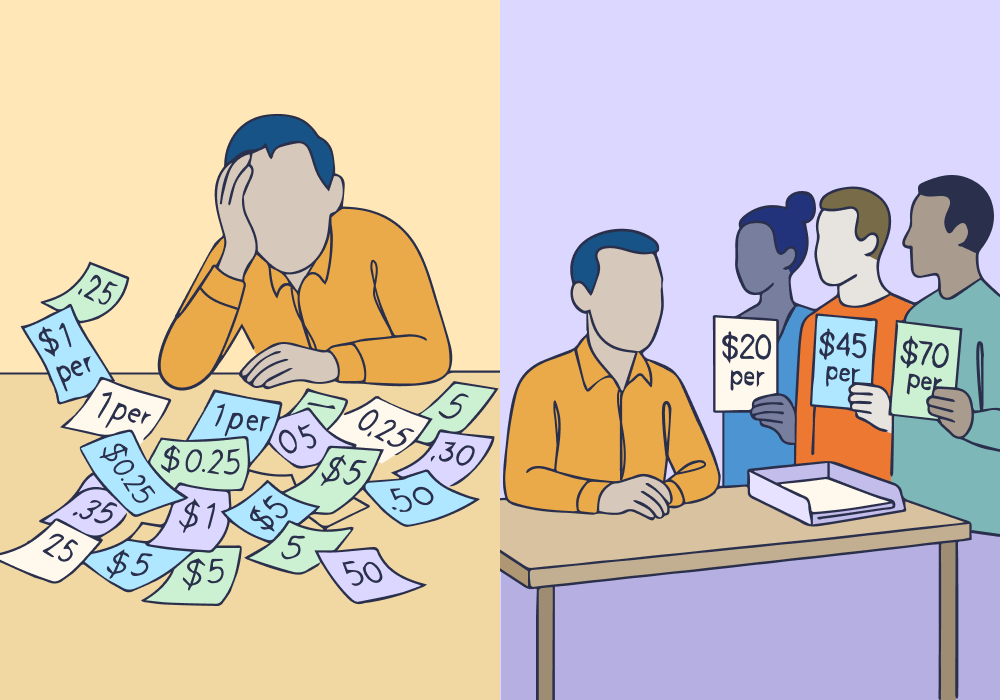
Platforms love to report on “cost per conversion,” but if you run lead gen campaigns, you know a conversion and a lead are not the same thing.
And if your conversions aren’t coming from real leads, “cost per conversion” is a meaningless metric.
What you actually need is simple: not the cost of conversions from spam, wrong numbers, and other worthless sources, but the cost per actual lead.
And you shouldn’t need a spreadsheet, export, or formula to get it.
Here’s the cleanest way to get true CPL without lifting a finger.
The Problem: Platforms Count Conversions, Not Leads
A conversion is just whatever event the platform can detect: a form submit, a call start, a button click, a chat open.
But none of these automatically mean a real lead was generated.
- A blank form? Conversion.
- A phone call that lasted two seconds? Conversion.
- A chat that isn’t an inquiry? Still a conversion.
But from the business’s perspective, they’re not leads. They’re noise.
That’s why cost per conversion is misleading: it measures activity, not meaningful contact.
The Shift: Capture Real Leads, Not Raw Events
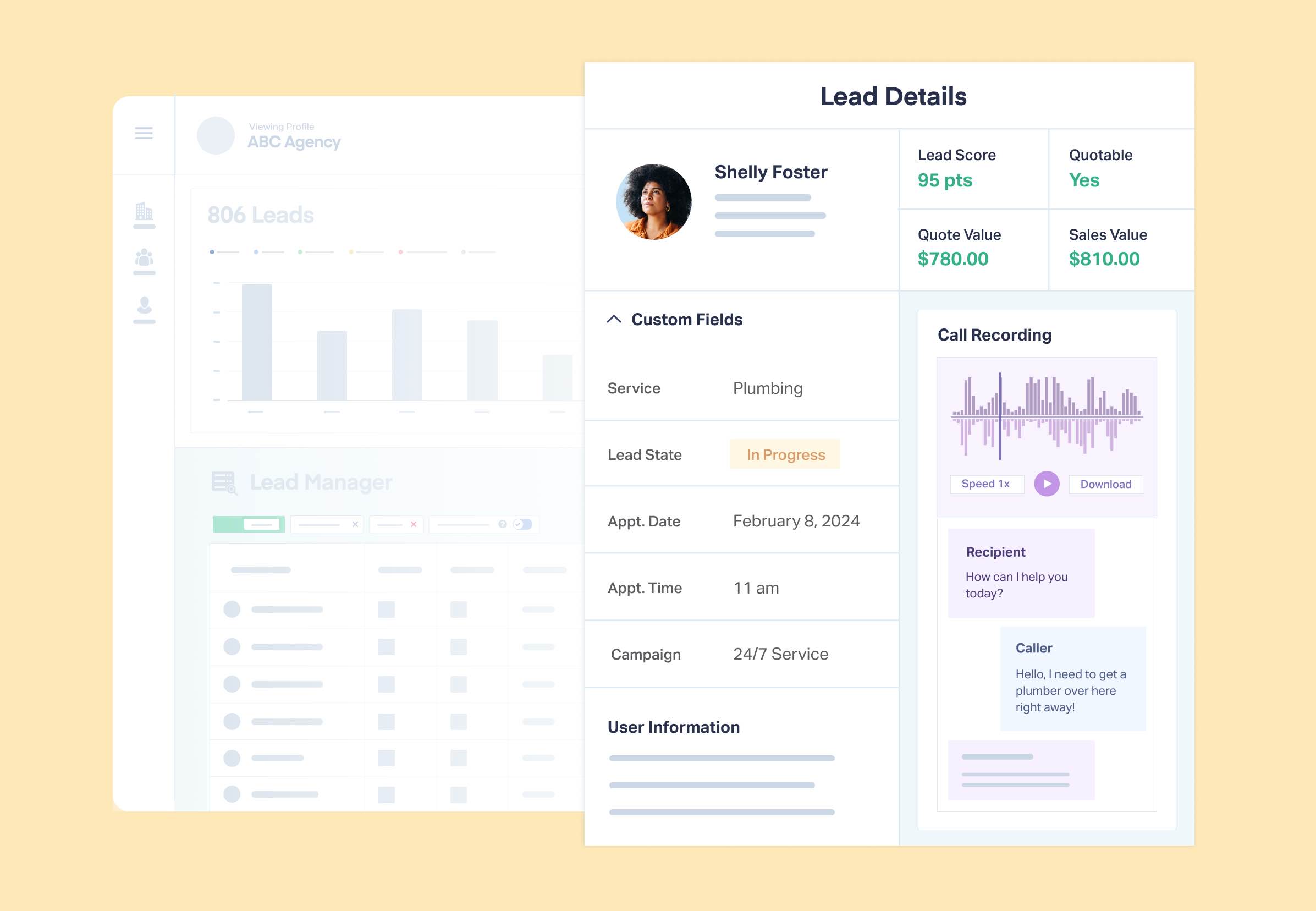
When WhatConverts captures a call, form, or chat, it doesn’t just record that something happened—it captures the full context needed to determine whether that interaction was an actual lead.
For every contact, you see:
- Call data: number, duration, location, call recording, and transcript
- Attribution data: marketing source, channel, campaign, keyword, landing page
- Buyer information: service or topic discussed, value of the desired service, whether the person is a new or returning caller
With this information, you can mark (or set up rules to automatically sort) leads as qualified, unqualified, and spam.
And once you can distinguish real, qualified potential customers from everything else, you can see how much you spent per actual lead and CPL becomes something you can trust.
That’s the difference: platforms only count events; WhatConverts counts the people behind them.
Why This Automatically Produces True CPL
Cost per lead becomes simple when you have two things:
- Accurate ad spend
- A verified list of real leads created by that spend
Because WhatConverts knows both, it can instantly calculate CPL for every campaign, keyword, and channel:
CPL = Spend ÷ Number of True Leads
No one has to export data. No one has to delete spam rows. No one has to build a pivot table at 11 p.m.
You’re not “doing math”—the clarity comes from finally having the right inputs.
See the Difference in One Example
Imagine two campaigns with the same spend:
| Campaign | Spend | Platform Conversions | Actual Leads | True CPL |
| Campaign A | $500 | 22 | 10 | $50 |
| Campaign B | $500 | 18 | 2 | $250 |
If you relied on conversion reporting, both campaigns would look strong.
But once you see the actual leads, the picture flips instantly:
- A is profitable.
- B is burning budget.
And now you can shift spend with confidence.
Where Marketers Actually See This
True CPL isn’t something you calculate; it’s something you view.
Inside WhatConverts:
- Every lead appears in a single lead manager with its full context
- Spend is tied directly to the leads it generated
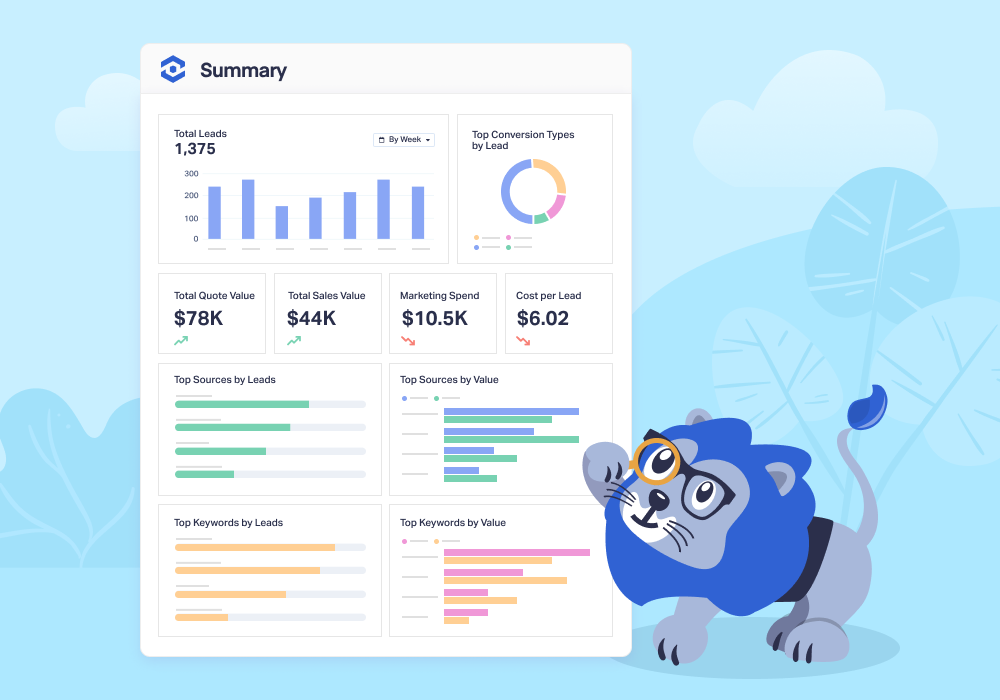
- Reports show CPL automatically at the campaign, keyword, and channel level
You don’t have to build a data model to understand performance.
The system shows you exactly how much each real lead cost—and where it came from.
What This Unlocks
Once you're looking at cost per lead instead of cost per conversion, everything gets easier:
1. Smarter Budget Decisions
Spend naturally gravitates toward campaigns that create real demand, not empty conversions.
2. Better Signals for Optimization
If a lead is tied to its source, you can immediately see which channels produce quality — not just volume.
3. Freedom From Spreadsheet Hell
No math. No exports. No pivot tables.
Your reporting becomes something you can scan, not manipulate.
4. Proof of ROI You Can Stand Behind
When true CPL drops, clients and leadership see clarity, not guesswork.
The Bottom Line
Cost per conversion is a platform metric. Cost per lead is a business metric.
When you track real leads, not generic conversions, you stop guessing about performance and start optimizing with confidence.
You shouldn’t have to do math to get there. You just need clean lead data tied to the spend that drove it.
Get real CPL. See real ROI. Make real decisions.
Start your free 14-day trial of WhatConverts today or book a demo with a product expert to see how we help prove and grow your ROI.
Get a FREE presentation of WhatConverts
One of our marketing experts will give you a full presentation of how WhatConverts can help you grow your business.
Schedule a Demo
Grow your business with WhatConverts