


 Amanda Pell
Google invested heavily in AI across all products in 2025, launching over 60 AI-powered features for everything from consumer tools like Gemini to infrastructure upgrades across Search.
But buried in that wave of innovation were five Google Ads features that signal something bigger: the end of granular PPC control as we know it.
These aren't incremental improvements. They're a fundamental shift in how Google Ads operates—from marketers controlling campaigns to algorithms running them. And that shift has one critical requirement: first-party conversion data that Google's AI can actually use.
Here's what changed in 2025, what it means for PPC marketers, and why your conversion tracking just became your most important competitive advantage.
Note: Not a WhatConverts user yet? Start your free 14-day trial of WhatConverts today or book a demo with a product expert to see how we help prove and grow your ROI.
The 5 Features That Changed Everything
1. AI Max for Search: The Fastest-Growing Black Box
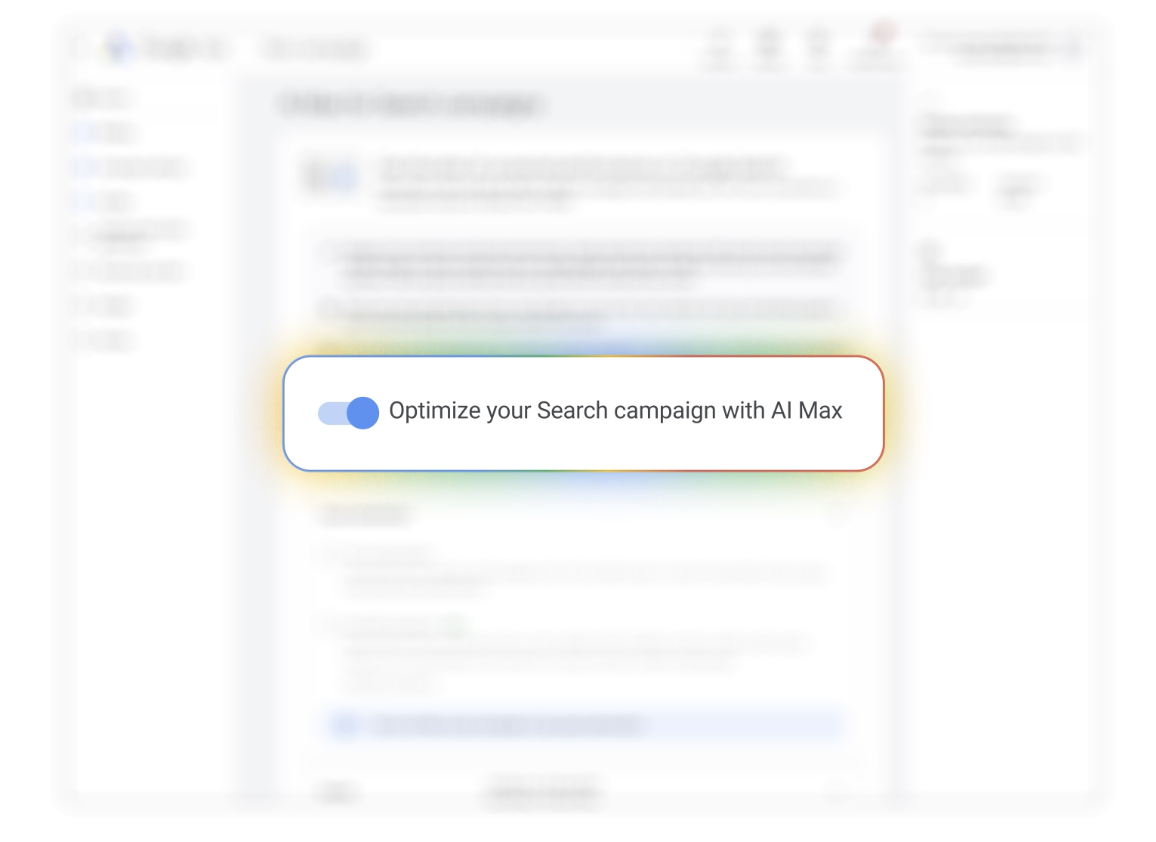
AI Max for Search launched as "the fastest-growing AI-powered Search ads product" with what Google calls "a comprehensive suite of targeting and creating features."
Translation: Google's AI handles targeting and creative while you provide goals and budget.
Traditional Search campaigns gave you keyword-level control, ad group structure, bid adjustments by device and location, and manual creative testing. AI Max abstracts all of that away. You tell Google what you want to achieve, and the algorithm figures out how.
The catch? AI Max optimizes toward conversions. If your conversion tracking only captures form fills while missing the phone calls that drive 60% of your revenue, AI Max optimizes your campaigns toward waste.
2. Performance Max: More Reporting, Less Control
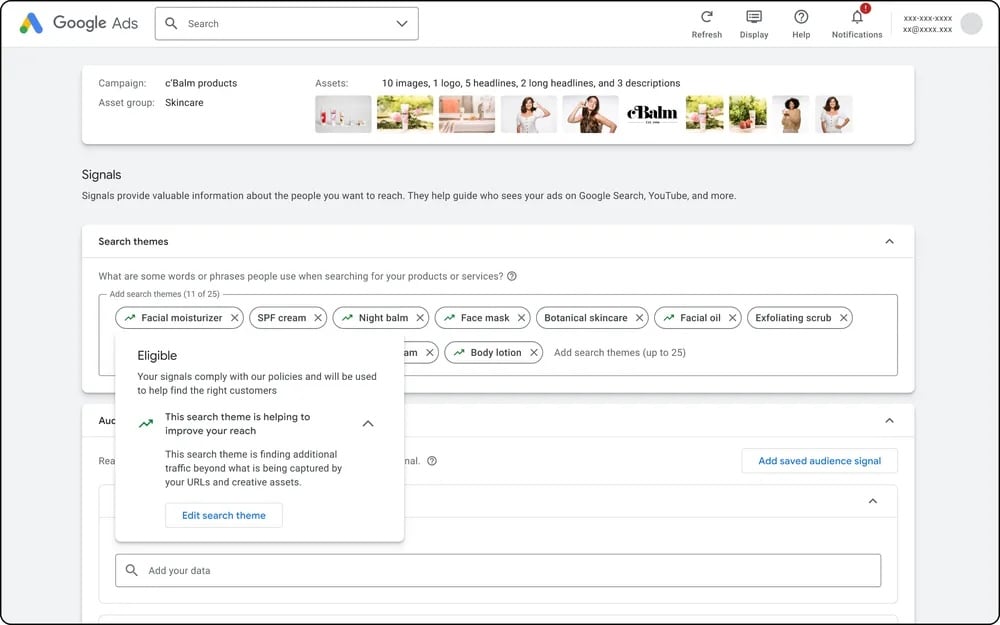
Performance Max received major updates in 2025, including channel-level performance reporting, full search terms reporting, and asset-level metrics showing conversions, impressions, clicks, and cost.
But notice what Google added: visibility, not control.
You can now see how Performance Max performs across channels. You can review which search terms triggered your ads. You can analyze asset performance. But you still can't dictate where budget goes, which creative runs in which context, or how the algorithm balances channels.
Google describes the updates as ways to "steer Google AI" rather than control it. And steering only works when the algorithm knows which conversions actually matter.
Performance Max treats a $50 form fill for routine maintenance the same as a $15,000 phone call for a major installation—unless your tracking tells it otherwise.
3. Smart Bidding Exploration: Trading Precision for Discovery
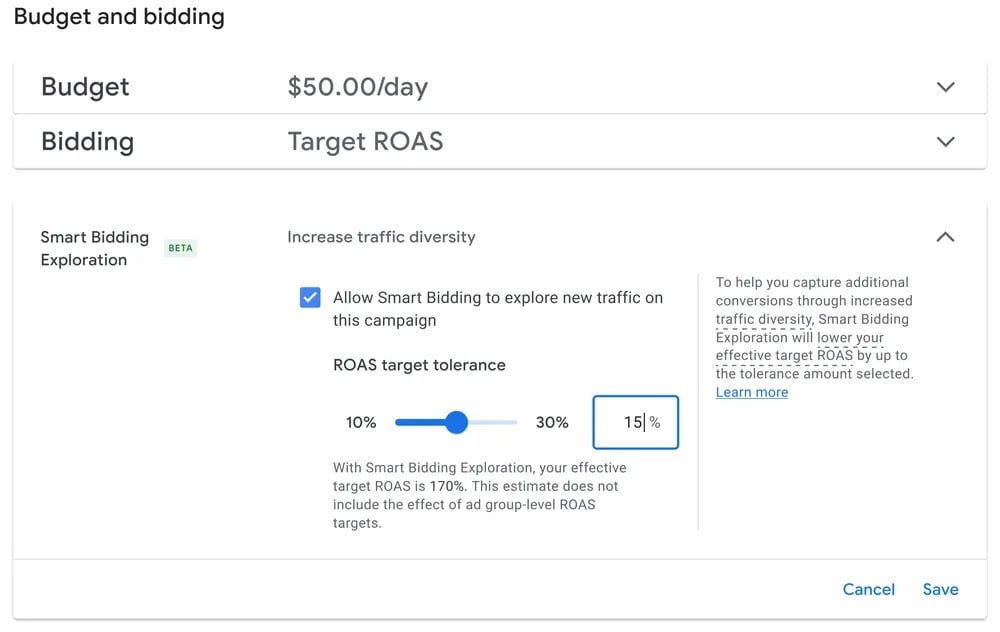
Smart Bidding Exploration launched with a promise: use "flexible ROAS targets to explore new traffic" and see "an 18% increase in unique search query categories with conversions and a 19% increase in conversions."
The word "flexible" is doing heavy lifting here.
Traditional ROAS targets were strict: maintain 500% ROAS or shut down. Smart Bidding Exploration loosens that constraint, giving Google latitude to test new audiences, new queries, new placements—and temporarily accept lower returns in pursuit of discovery.
It's a trade: you surrender bidding precision, Google's algorithm explores untapped traffic.
That 19% conversion increase sounds great until you realize conversions without context are meaningless. If Smart Bidding explores new traffic and finds spam form submissions, wrong-number calls, and tire-kickers, those conversions don't pay your client's bills.
The algorithm needs to know which conversions are worth exploring for.
4. Data Manager: Google Asks for First-Party Data
Data Manager launched as a centralized hub to "unify all your data from your website, app, physical store, and CRM platforms."
This is Google explicitly acknowledging that their AI systems need better first-party data to perform. The product page states it plainly: "Build data strength and drive the best ROI."
Why does this matter? Because Google is building infrastructure specifically to ingest your conversion data. They're not just accepting it—they're asking for it, prioritizing it, and creating tools to make feeding it easier.
The implication is clear: marketers who provide complete, accurate conversion data will see better campaign performance. Marketers who don't will watch automation optimize toward incomplete signals.
And here's the problem most businesses face: their conversion tracking captures forms and maybe e-commerce transactions, but misses phone calls entirely, treats all chat conversations the same, and has no visibility into which leads actually became customers.
5. Auto-Generated Videos: Even Creative Is Automated Now
Demand Gen campaigns now feature auto-generated videos, where Google's AI creates video ads automatically "to effortlessly increase your reach on YouTube."
This represents the logical endpoint of automation: marketers don't even create the assets anymore. You provide business information and goals. Google generates the creative.
But how does Google know what messaging resonates? What value propositions drive calls? Which service mentions convert best? From conversion signals.
If your tracking shows that leads mentioning "emergency service" convert at 3x the rate of "routine maintenance" inquiries, that insight should inform what Google's AI emphasizes in auto-generated videos.
Without that signal, the algorithm guesses.
What This Means for PPC Marketing
These five features paint a consistent picture: Google is moving control from marketers to algorithms while simultaneously increasing the importance of conversion data quality.
The shift looks like this:
- Marketers used to control keywords, bids, placements, and creative
- Now algorithms control optimization while marketers "steer" with data
- Success depends less on campaign structure, more on conversion intelligence
Here's what that means practically:
Your Job Is Changing
PPC marketers are evolving from "campaign managers" to "data curators." The core skill isn't building perfect campaign structures anymore—it's ensuring Google's AI has accurate, complete conversion data to optimize against.
That means tracking every conversion type (calls, forms, chats), qualifying leads to distinguish valuable conversions from noise, and feeding that data back to ad platforms so algorithms learn what "good" looks like.
Read More: How to Use Lead Qualification to Optimize Your Marketing
The Data Quality Gap Will Widen
Right now, most businesses track conversions—Google Ads counts calls from ad extensions, Analytics tracks form submissions, maybe you've even set up call tracking through GTM. But here's what those systems don't tell you: which conversions are actually qualified leads.
Google sees that your campaign generated 100 calls. It doesn't see that 40 were existing customers with questions, 25 were wrong numbers or spam, and only 35 were qualified prospects. All 100 conversions look identical to the algorithm.
As Google's automation becomes more sophisticated, the performance gap between "conversion counting" and "conversion intelligence" will explode. Algorithms fed quantity without quality will optimize toward more of whatever converts—qualified or not.
Read More: Beyond Contact Details: Lead Enrichment Data That Predicts Purchase Intent
First-Party Data Becomes Your Competitive Moat
Google launched Data Manager because first-party conversion intelligence is now the differentiator. Two businesses in the same industry, same market, same budget will see radically different results based purely on conversion data quality.
The business that tracks calls, qualifies leads, assigns values, and feeds that intelligence to Google Ads will watch AI Max and Performance Max optimize toward profit. The business that only tracks forms will watch the same AI tools optimize toward noise.
The WhatConverts Advantage
This is where lead tracking platforms like WhatConverts become essential infrastructure rather than nice-to-have reporting tools.
WhatConverts captures every conversion type—phone calls, form submissions, live chats—with complete attribution showing the source, campaign, keyword, and customer journey that drove each lead. Every call is recorded and transcribed. Every lead can be qualified, categorized, and valued.
Then that data flows back to Google Ads automatically. When AI Max explores new traffic, it learns which searches drive qualified phone calls, not just form clicks. When Performance Max optimizes creative, it understands which assets generate high-value inquiries versus tire-kickers. When Smart Bidding tests new audiences, it knows which prospects are worth acquiring.
The algorithm gets smarter because the data is complete.
Without comprehensive lead tracking, you're asking Google's AI to optimize your campaigns while blindfolded. It sees form submissions but misses the phone calls that drive most of your revenue. It counts conversions but doesn't know which ones closed.
With complete tracking, Google's automation becomes the advantage everyone claims it is.
Read More: Agency Learns How to Train the Algorithm, Wins 12.4X ROAS [Case Study]
The Bottom Line
Google launched over 60 AI features across all products in 2025. In Google Ads specifically, five features make one thing clear: the era of granular marketer control is ending.
AI Max, Performance Max, Smart Bidding Exploration, Data Manager, and auto-generated videos all push in the same direction—algorithms running campaigns while marketers provide data and goals.
That shift isn't optional. Google is building toward a future where AI handles optimization and marketers feed intelligence. The businesses that provide complete conversion data will thrive. The ones that don't will watch automation optimize their campaigns toward the wrong goals.
Your conversion tracking just became your competitive advantage. The question is whether you're capturing the complete picture.
Ready to give Google's AI the complete conversion data it needs to optimize effectively?
Start your free 14-day trial of WhatConverts today or book a demo with a product expert to see how we help prove and grow your ROI.
Get a FREE presentation of WhatConverts
One of our marketing experts will give you a full presentation of how WhatConverts can help you grow your business.
Schedule a DemoGrow your business with WhatConverts