































 Amanda Pell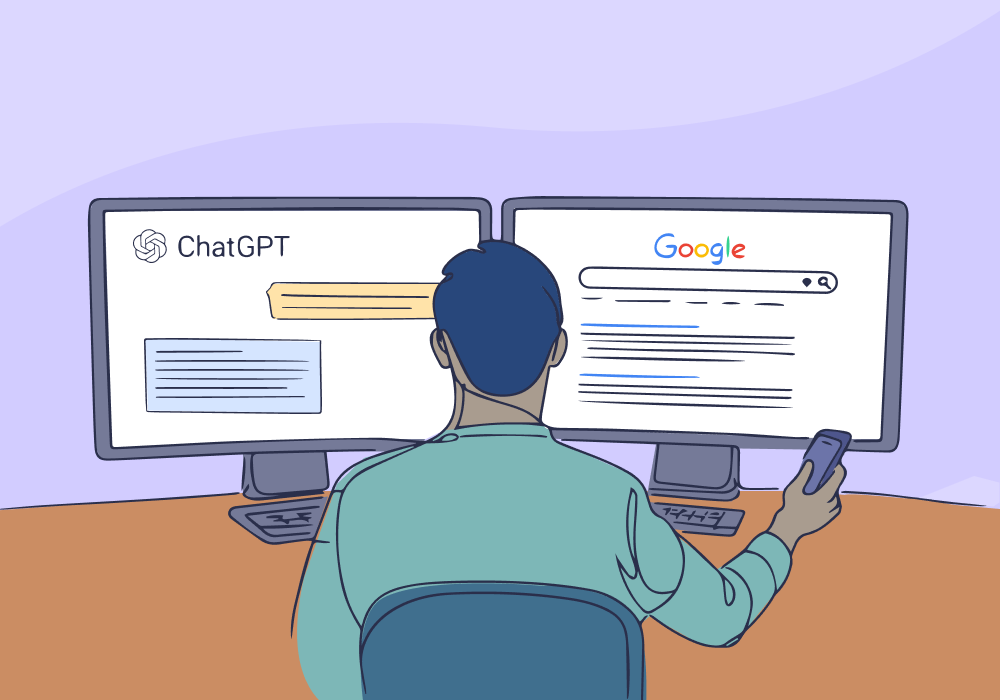
Search behavior is becoming fractured.
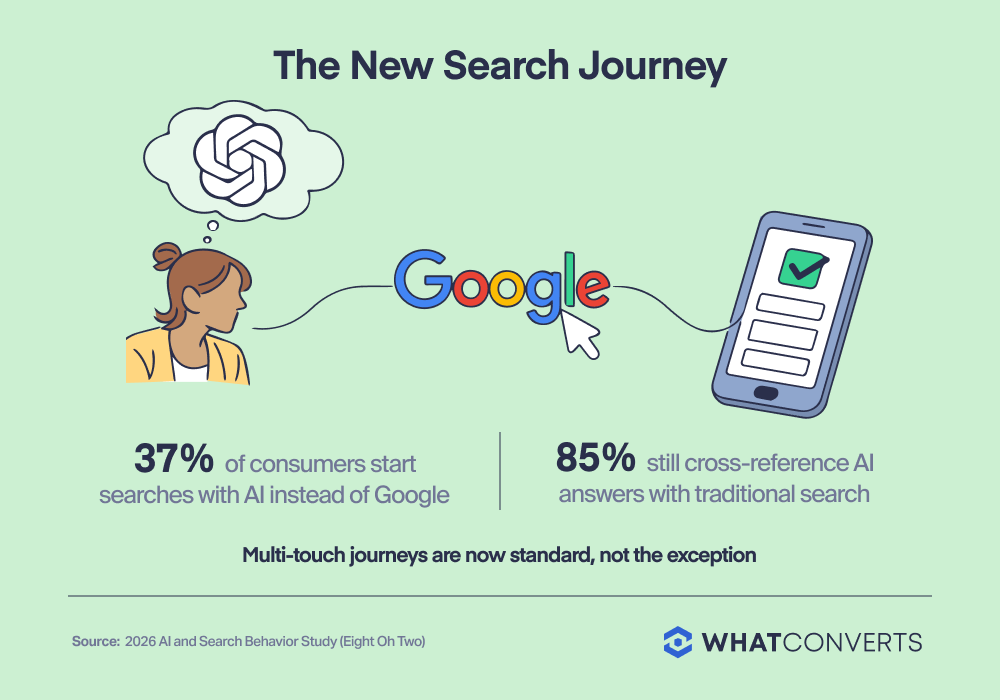
According to Eight Oh Two's 2026 AI and Search Behavior study, 37% of consumers now start their searches with AI tools like ChatGPT instead of Google.
But here's the part most marketers miss: AI isn't replacing traditional search—it's adding a touchpoint.
The report goes on to say that 85% of consumers who use AI still cross-reference those answers through traditional search to verify, compare, and ultimately convert. One lead, two channels, and most attribution models only capture half the story.
This shift exposes a critical weakness in how agencies track and value leads. Without multi-touch attribution that captures AI-influenced journeys, you're making budget decisions based on incomplete data—and likely cutting spend from channels that actually drive conversions.
Note: Not a WhatConverts user yet? Start your free 14-day trial today or book a demo with a product expert to see how we help prove and grow your ROI.
What Google Ads Can’t Tell You
Google Ads tracks conversions beautifully—as long as they came from your campaigns. The problem? It can't see anything that happened before someone clicked your ad.
Here's the blindspot:
A prospect researches "best HVAC companies in Denver" using ChatGPT. The AI recommends three companies. The prospect opens each website, browses services, checks reviews, then closes the tabs.
Three days later, they Google the company name directly. Your brand ad appears. They click it, call, and book an $8,000 job.
Google Ads shows: 1 conversion from brand campaign, $2.50 CPC
What Google Ads can't show: That lead started with AI three days ago.
If you only see Google Ads data, you'll think everything's working perfectly. You won't know AI sparked the journey—or that cutting broader visibility would kill these "easy" brand conversions.
At scale, this gets dangerous. Run 100 conversions through this pattern, and brand campaigns look incredibly efficient while non-brand looks weak. Reality? Non-brand might be feeding AI awareness that converts later through brand search.
Read More: How to Track the Digital Customer Journey and Unlock Insights
Why This Matters More Than You Think
AI search adoption is accelerating fast. According to the Eight Oh Two study:
- 63% of consumers expect to use AI more in 2026
- 59% believe AI will become their main way of finding information
- 47% have already used AI to help make a purchase decision
Traditional search isn't disappearing. It's evolving into a verification and conversion channel. Consumers use AI for speed and clarity, then use Google to confirm and act.
And Google Ads only sees the Google part.
How to See the Full Journey
The solution isn't abandoning Google Ads. It's adding a layer that tracks the complete journey across all touchpoints—including the ones Google Ads can't see.
WhatConverts captures every touchpoint before the conversion:
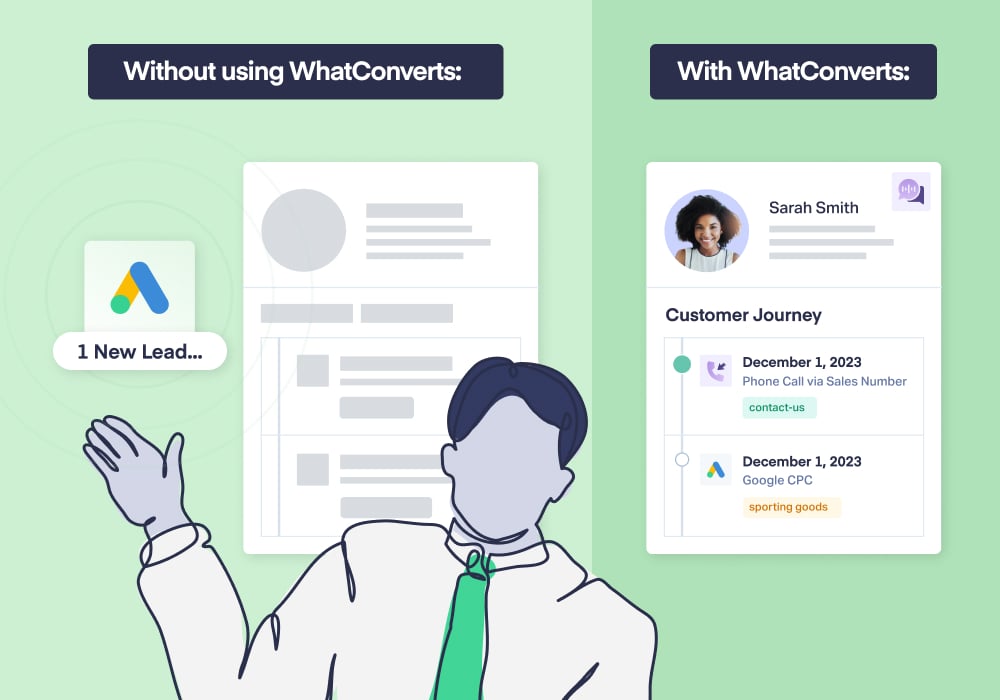
When a prospect visits your site from ChatGPT, WhatConverts records that first touch with full attribution—the AI referral, the pages they viewed, how long they stayed. When they return three days later through a Google Ad and call, WhatConverts connects both touchpoints to that single lead.
Now you can see:
- First touch: Visitor from ChatGPT on January 3
- Last paid touch: Google Ad click on January 6
- Conversion: Phone call requesting quote for $8,000 job
Google Ads would only show you the brand ad conversion. WhatConverts shows you the AI search sparked it.
This reveals patterns Google Ads hides:
- 40% of your "brand search" conversions actually started with AI research days or weeks earlier
- Leads that touch AI before clicking ads have 2X higher average deal size
- Your non-brand campaigns aren't underperforming—they're feeding AI awareness that converts later through brand search
With complete journey visibility, you stop making decisions based on what Google Ads thinks happened and start optimizing based on what actually happened.
Read More: Eliminating the Guesswork from Customer Journey Marketing
Taking It Further: Lead Quality Changes Everything
Here's where attribution gets powerful.
Lead gen isn’t like e-commerce, where conversion value is automatic: customer buys, revenue recorded, attribution updated. In lead gen, when someone calls or fills out a form, you don't know if it's a $500 job or a $50,000 contract until later.
This is why most attribution models fail lead gen marketers:
- They track the path to conversion but not the value of that conversion
- They credit touchpoints equally without understanding which combinations drive quality
- They can't distinguish between a multi-touch journey that led to a $100 sale versus one that led to a $10,000 sale
So when AI enters the mix as a new touchpoint, you need to answer: Do AI-influenced journeys produce better leads?
You can't answer that without tracking lead quality.
How Multi-Touch Attribution Should Work for Lead Gen
Complete attribution means capturing every touchpoint—AI referrals, organic visits, paid clicks, and offline interactions. But the real unlock comes when you connect those touchpoints to lead quality.
WhatConverts qualifies and values every lead:
Not just "40 conversions from Google Ads," but "40 conversions: 28 qualified, average quote value $4,200, 8 already closed for $31,000 revenue."
When you connect lead quality to journey data, you unlock insights Google Ads alone can never provide:
- AI → Google journeys produce 2x higher quote values than direct Google searches
- Multi-touch journeys (3+ touchpoints) close at 45% vs. 18% for single-touch
- Leads that visited your site via AI and returned within 7 days convert at 3x the rate
Now you're no longer just tracking attribution. You're optimizing toward the journey patterns that produce the most valuable leads.
Google Ads will keep showing you cost per conversion. WhatConverts shows you cost per qualified lead and revenue per journey type. That's the difference between guessing and knowing which campaigns actually drive growth.
The Bottom Line
When 37% of consumers start with AI and 85% cross-reference with search, relying on Google Ads data alone means flying blind.
Google Ads can't fix this. It's a platform limitation. It only sees conversions from your campaigns, not the AI searches, organic visits, or other touchpoints that came before.
The agencies winning in 2026 will:
- Track every touchpoint across AI, organic, paid, and offline sources
- Connect those touchpoints to individual leads with complete journey visibility
- Qualify and value leads to see which journey patterns drive real revenue
- Optimize campaigns based on full-journey ROI, not isolated channel metrics
That's how you stop making budget decisions based on what Google Ads can see and start making them based on what actually drives results.
Ready to see the full journey behind every conversion?
Start your free 14-day trial of WhatConverts today or book a demo with a product expert to see how we help prove and grow your ROI.
Get a FREE presentation of WhatConverts
One of our marketing experts will give you a full presentation of how WhatConverts can help you grow your business.
Schedule a Demo
Grow your business with WhatConverts