










































 Amanda Pell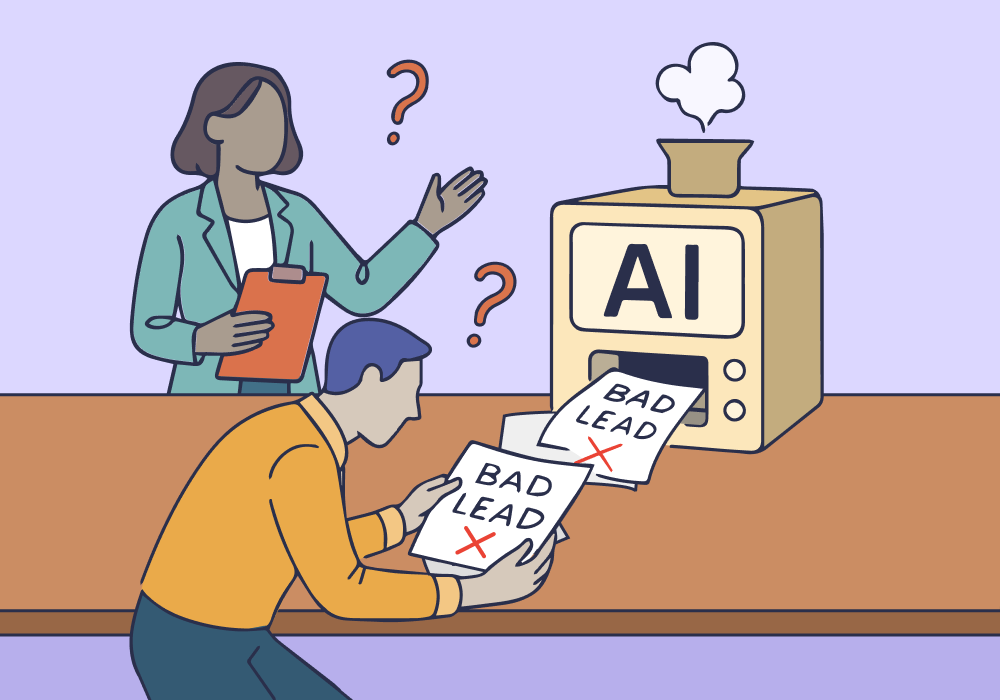
Nearly every marketer is now using AI to optimize campaigns. The data they're feeding it is still garbage.
According to Smartly’s 2026 Digital Advertising Trends report, 57% of marketers have already invested in AI for optimization, with another 39% actively testing it.
That's 96% of the industry either running or experimenting with AI-powered campaign optimization right now.
Here’s the problem: AI adoption is outpacing data quality. As a result, AI isn’t improving performance; it’s amplifying the marketer’s worst data mistakes.
If you send platforms every conversion—not just qualified leads but spam calls, support requests, returning customers, wrong-service inquiries—AI learns to maximize all of those conversions, including the useless ones.
And it does it faster than humans can catch the damage.
This is why AI optimization will continue to fail—unless marketers learn to clean up the conversion signals they’re feeding it.
The Problem: AI Learns from Whatever You Feed It (Including Junk)
Automated bidding systems like Smart Bidding and Performance Max don’t know the difference between a real sales opportunity and a useless interaction. They only understand patterns in the data you declare as “successful.”
And most marketers are sending everything as a conversion:
- Spam form fills
- Support calls
- Existing customers looking for updates
- Wrong-number calls
- Price shoppers
- Bots
- Low-intent inquiries
- Leads for services the business doesn't even offer
If all of these count as conversions inside Google Ads or Meta, the platforms assume they’re equally valuable.
From there, AI does exactly what it’s designed to do: it finds more of whatever you told it was a “win.”
That’s how the Optimization Struggle evolves in the AI era. Bad signals don’t get ignored — they get reinforced, multiplied, and scaled automatically.
The Worst-Case Scenario, Illustrated
Most marketers have at least one story of Smart Bidding or PMax campaigns run amok. It sounds like this:
A dental practice launches a Performance Max campaign to drive appointment bookings. The algorithm sees "conversions" rolling in—100 in the first month. Cost per lead looks reasonable at $45. Dashboard shows green arrows everywhere.
Then the complaints start.
The front desk reports a massive jump in spam form submissions—fake email addresses, obvious bots, people asking about services the practice doesn't even offer. The leads that do turn out to be real are only interested in low-value cleanings, not the high-margin cosmetic work the practice was targeting.
Google's AI had been optimizing perfectly—toward complete garbage.
It learned that certain placements and keywords generated cheap, easy conversions and doubled down. The algorithm was now actively working against the business, spending aggressively on worthless leads while ignoring signals that indicated qualified, high-value prospects.
This is what happens when AI optimization meets garbage data. The algorithm doesn't fail—it succeeds brilliantly at the wrong goal.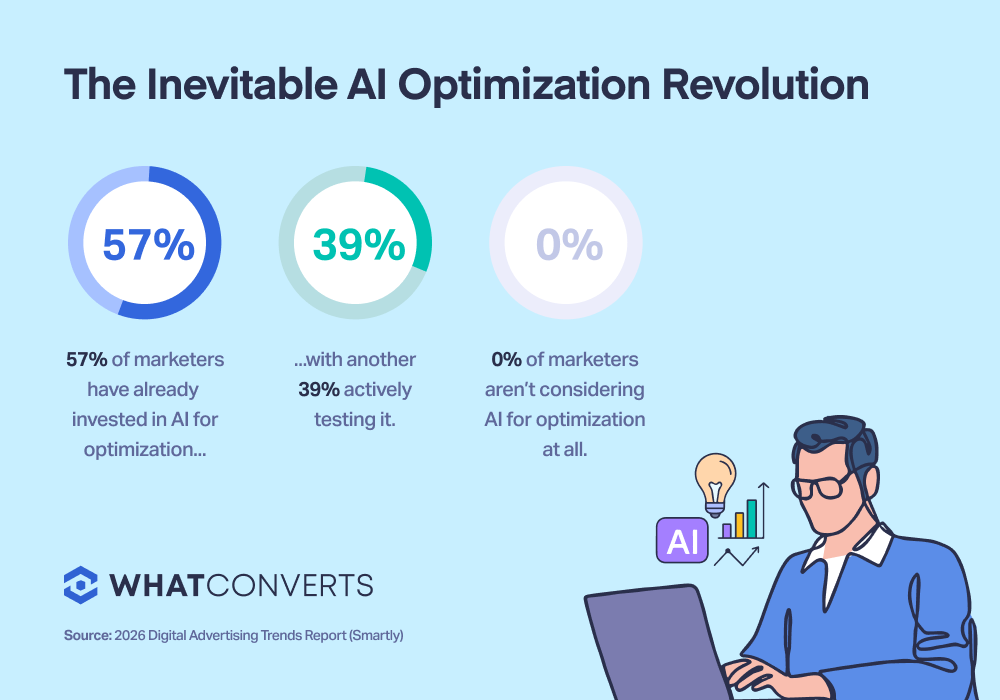
The Real Cost of Optimizing Blind
Low-quality optimization data doesn't just waste budget. It trains AI to chase the wrong signals, makes client retention harder, and turns performance marketing into a volume game.
- AI learns the wrong patterns. When Smart Bidding sees that drain cleaning keywords generate 70 conversions while repiping generates 5, it doubles down on drain cleaning. The algorithm is now actively working against business goals.
- Clients lose trust in AI recommendations. When an agency says "let's let the algorithm optimize" and performance gets worse, clients don't blame the data—they blame AI. The next time the agency suggests automation, the client pushes back.
- Proving ROI becomes impossible. Without lead-level value data, agencies can show conversion volume but not business impact. A campaign that generated 200 leads sounds impressive until the client realizes 180 of them were unqualified.
Marketers are investing in AI to work smarter, but feeding it conversion counts without context forces everyone to work harder anyway.
The Solution: Clean Your Signals Before They Hit the Algorithm
AI optimization tools don't need more data. They need better data.
Specifically, they need to know which leads actually matter—what service they requested, whether they're qualified, and what they're potentially worth.
That means adopting a process where marketers:
- Capture, qualify, and assign a value to each lead
- Filter out junk interactions
- Send only qualified conversions back to the ad platform
This alone transforms how AI behaves. Instead of guessing who the right customer is, the platform finally learns which leads actually drive revenue.
What This Looks Like in Action
When agencies feed algorithms lead-level intelligence, it turns "100 conversions" into "5 high-value repiping leads worth $40,000, 70 low-value drain cleaning leads worth $10,500, and 25 junk conversions that have been filtered out completely."
That level of detail changes everything:
- Google Ads sees which services drive revenue and shifts spend toward campaigns that generate $8,000 jobs instead of $150 service calls.
- Meta's Advantage+ learns which audience segments produce qualified leads and stops wasting impressions on tire-kickers.
- Performance Max identifies the creative and keywords that attract high-intent prospects rather than optimizing for whoever converts fastest.
When AI knows what a valuable lead looks like, it stops chasing volume and starts chasing value.
The fix isn't adopting more AI tools. It's giving the AI tools you already use the intelligence they need to optimize for outcomes that actually matter.
The Precision Advantage: Clean Signals + Real-Time Value Syncing
AI only works when it can see which conversions matter.
WhatConverts makes that possible by filtering junk and sending real lead value into Google Ads in real time—not weekly uploads, and not manual spreadsheets.
This creates two major advantages:
1. Better data = smarter decisions
Smart Bidding stops prioritizing cheap noise and starts scaling audience patterns that generate revenue.
2. Faster feedback = faster optimization
Real-time value sync means Google can adjust bids hundreds of times per day, not once per week.
Every qualified lead becomes a high-quality signal that sharpens the next decision.
The result is a compounding performance loop your competitors can’t match: less waste, better leads, and a campaign that becomes more profitable over time—not less.
AI Works When Your Data Works
AI will scale whatever you feed it. That’s the mechanism that makes AI effective, but it only becomes effective when the data is clean.
If marketers keep sending noisy conversion data, AI will continue to optimize for noise. If they send qualified lead value, AI will optimize for revenue.
The difference between those two outcomes is the difference between a campaign that quietly wastes budget and one that compounds value every day.
If you want AI to work for you, give it the right signals.
Start your free 14-day trial of WhatConverts today or book a demo with a product expert to see how we help prove and grow your ROI.
Get a FREE presentation of WhatConverts
One of our marketing experts will give you a full presentation of how WhatConverts can help you grow your business.
Schedule a Demo
Grow your business with WhatConverts